Beyond Awareness: Show Up for Trans and Nonbinary Youth
Beyond Awareness
Trans Awareness Week
5 Ways to Show Up for Trans and Nonbinary Youth.
Sometimes affirmation happens in a moment that might seem small to someone else. Someone remembers your pronouns. A new friend uses your name. An adult listens without asking you to explain or defend who you are.
For transgender and nonbinary youth, those moments matter. And right now, so does the community standing behind them.
Across the country, trans young people are navigating growing challenges to their rights, safety, and access to affirming spaces. From restrictions on gender-affirming healthcare and school participation to harmful rhetoric about their identities, many are being asked to carry burdens that no young person should have to face.
At Brave Trails, we believe every LGBTQ+ young person deserves the freedom to be themselves, the opportunity to discover their passions, and a community that celebrates who they are.
This Transgender Awareness Week, we're sharing five ways we can all help make that possible, at camp and beyond.
What Is Transgender Awareness Week?
Transgender Awareness Week takes place each year from November 13–19. It's a time to celebrate transgender and nonbinary people, amplify their stories, and bring attention to the discrimination and challenges they continue to face.
The week leads into Transgender Day of Remembrance on November 20, when we honor transgender people whose lives have been lost to anti-transgender violence.
But awareness is only the beginning. What matters just as much is how we show up for trans and nonbinary people throughout the rest of the year.
How do we turn awareness into action? How do we create communities where trans youth aren't just accepted, but genuinely celebrated?
For us, it starts with listening to young people and making affirmation part of everyday life.
Why Affirming Spaces Matter More Than Ever
Growing up comes with plenty of questions about who you are, where you belong, and what your future might look like. For transgender and nonbinary youth, those questions can become even more complicated when the world around them challenges their identities.
According to a January 2026 report from the Williams Institute at UCLA, 53% of transgender teens in the United States live in states with laws or policies restricting aspects of their rights, including access to healthcare, school sports, bathrooms, or the use of affirming pronouns.
The Trevor Project's 2025 U.S. National Survey also found that 83% of transgender and nonbinary young people surveyed said recent anti-LGBTQ+ policies and rhetoric negatively affected their mental health.
These aren't just statistics. They represent young people navigating school, friendships, family relationships, and everyday life while hearing public conversations that question their identities and belonging.
But these challenges don't define trans youth, and they certainly don't define their futures.
That's part of why Brave Trails exists.
At camp, LGBTQ+ youth have the opportunity to spend nine days surrounded by peers and adults who celebrate them. They can try something new, build friendships, explore their identities, and discover what leadership looks like for them.
Camp doesn't make the challenges outside our community disappear. But it can remind young people that they aren't facing them alone, and that there are people and places where they can belong.
Here's how we can bring that same spirit of affirmation into our everyday communities.
1. Respect Their Name, Pronouns, and Privacy
One of the simplest ways to affirm a young person is to respect how they want to be addressed.
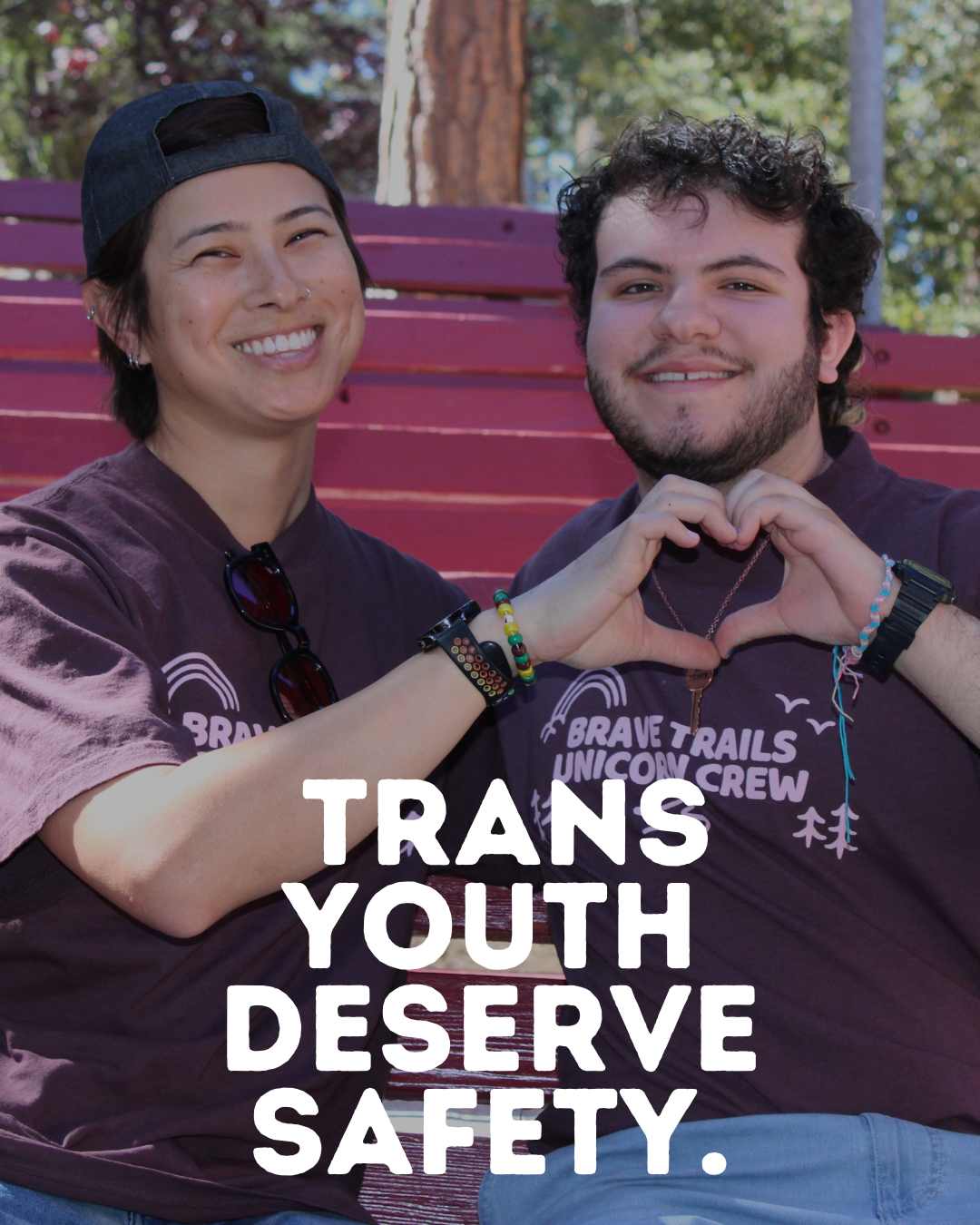
At Brave Trails, everyone wears a name tag with their name and pronouns. Campers also have the freedom to explore or update how they'd like to be addressed throughout their time at camp.
For some young people, this might be the first environment where they feel comfortable trying a new name or sharing their pronouns.
Adults can bring that same care into homes, classrooms, and youth programs. Ask what name and pronouns a young person uses, and whether those are safe to use around different people.
Remember that being supportive also means respecting privacy. Young people deserve to decide when, how, and with whom they share their identities.
And if you make a mistake? Correct yourself, keep practicing, and move forward.
Affirmation doesn't require perfection. It requires care, consistency, and a willingness to learn.
2. Give Young People Room to Explore
Nobody should feel pressured to have their entire identity figured out, especially while they're growing up.
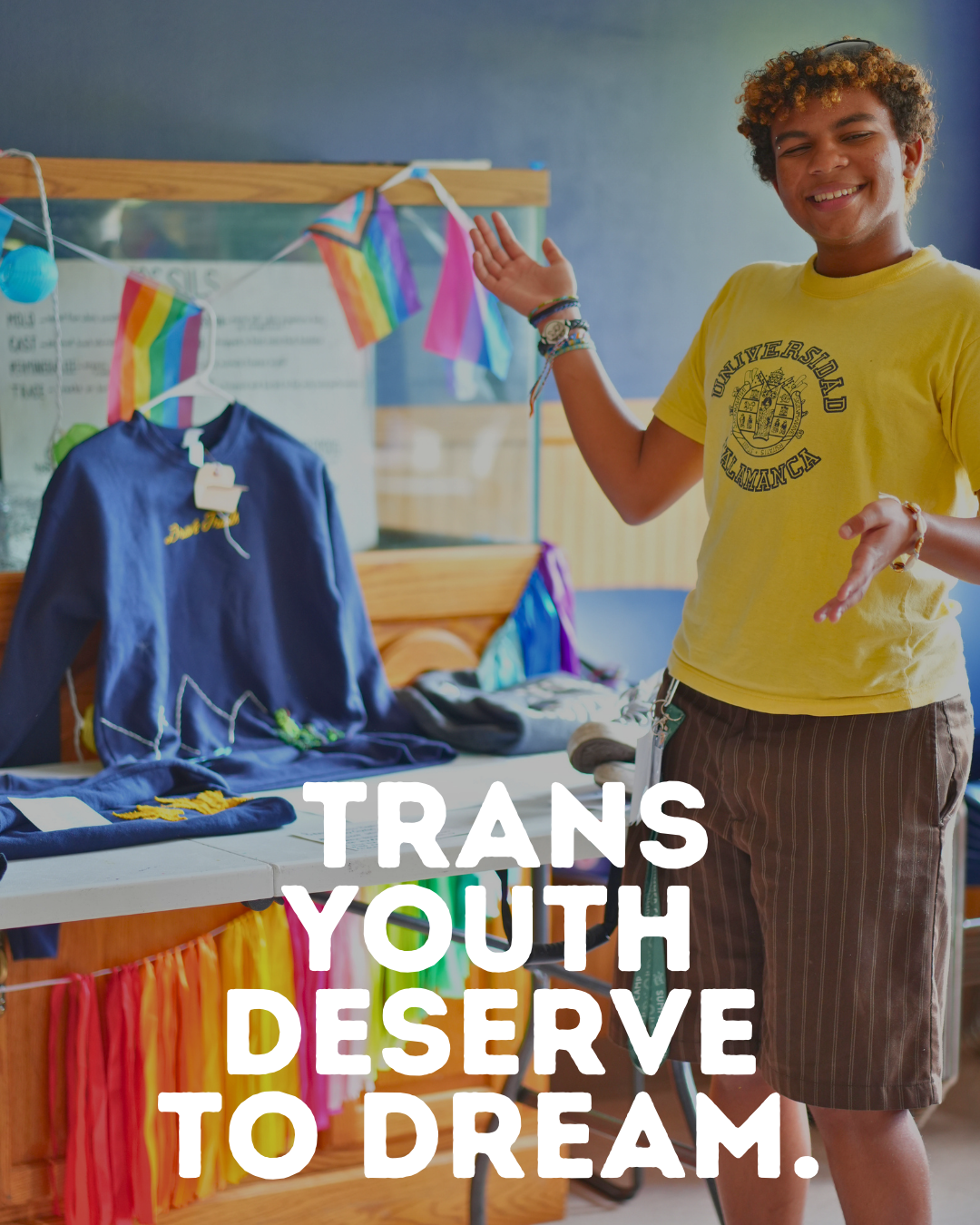
At Brave Trails, self-expression is woven into everyday camp life. Campers might explore their creativity through drag, theater, music, art, or simply the freedom to dress in a way that feels authentic to them.
Some might try something completely new. Others might discover they love something they've been doing for years.
The important part is that they're encouraged to explore at their own pace.
For parents, educators, and mentors, supporting that exploration can look like asking thoughtful questions, offering opportunities for self-expression, and allowing young people to make choices without judgment.
Not every moment of self-discovery needs to become a big conversation. Sometimes it's as simple as letting a young person try something new and celebrating their excitement.
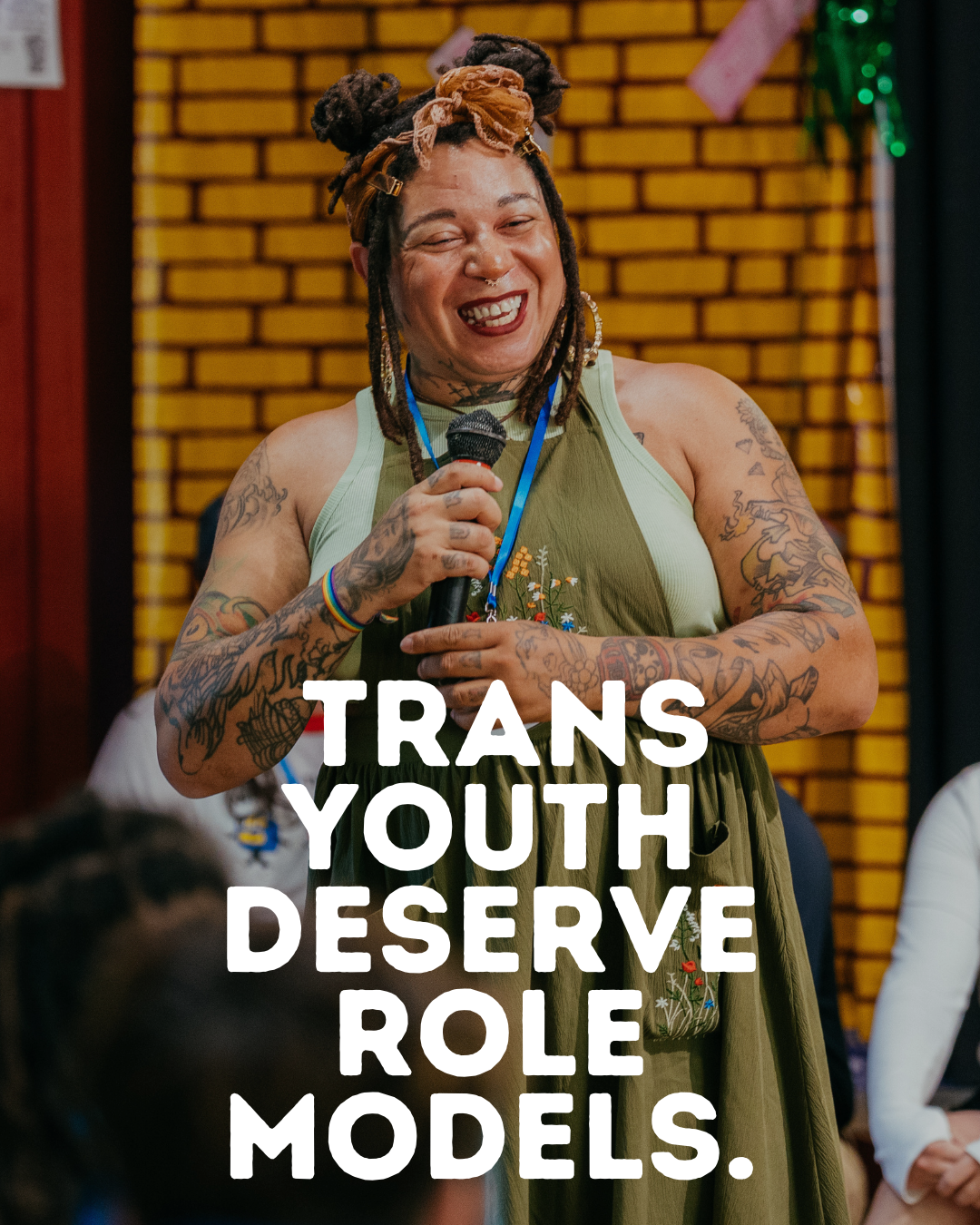
3. Connect Them With LGBTQ+ Role Models
Representation matters, especially when young people are imagining what their futures might look like.
For transgender and nonbinary youth, meeting LGBTQ+ adults who are living full, joyful, and meaningful lives can offer a powerful reminder that their own futures hold possibilities, too.
At Brave Trails, our Unicorn Crew is made up of LGBTQ+ adults and allies who bring their unique identities, passions, and experiences into our community.
They're artists, educators, outdoor enthusiasts, performers, activists, and people who tell wonderfully terrible jokes.
They're also mentors who show campers that there's no single way to be LGBTQ+, and no single path to becoming the person you want to be.
These connections often happen naturally. During a workshop, over a shared meal, or while cheering each other on during an activity.
Outside of camp, families and educators can help young people discover LGBTQ+ role models through books, films, community events, and stories that celebrate the many ways queer and trans people contribute to the world.
Young people deserve to see themselves reflected in the future, not just in conversations about the challenges of today.
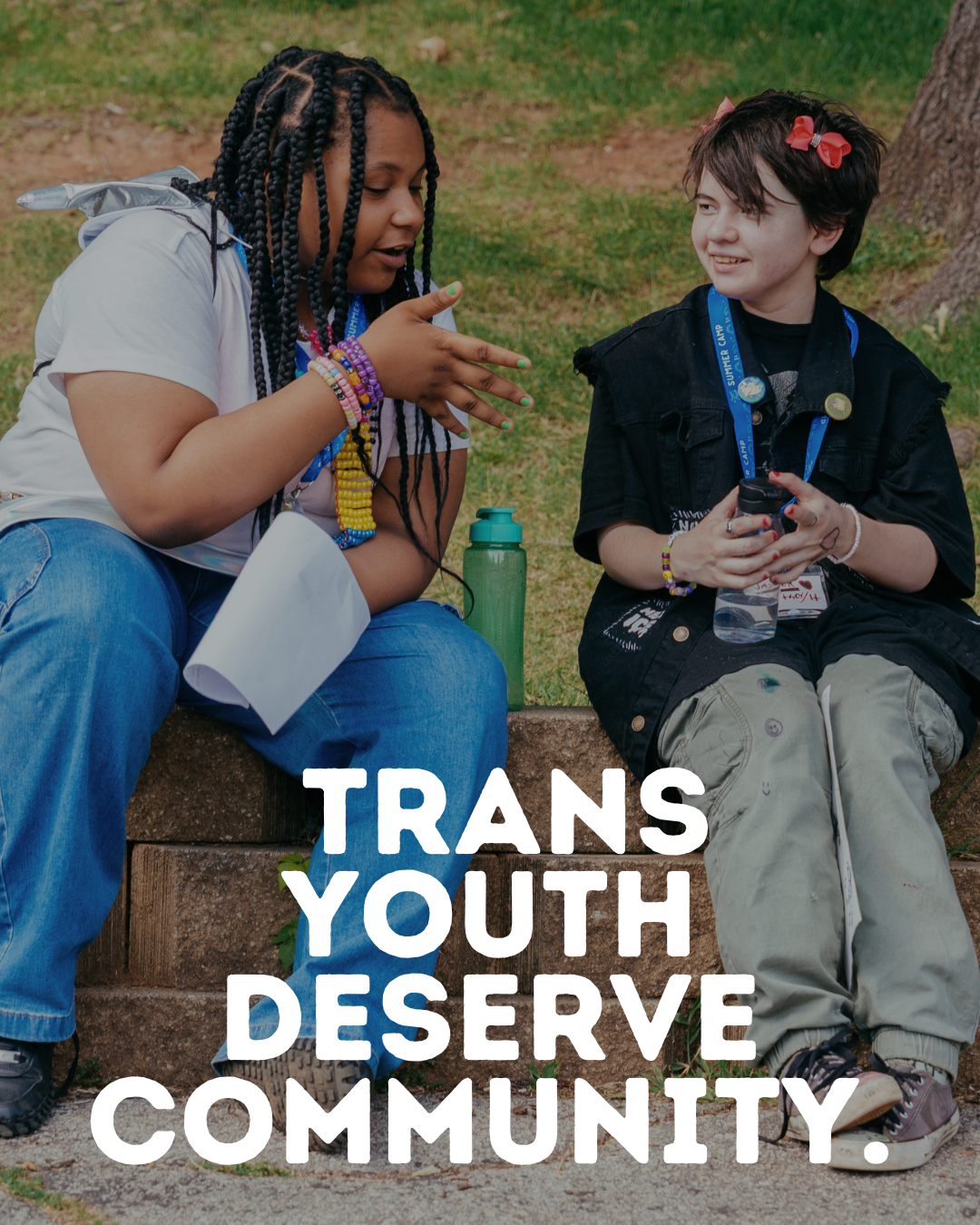
4. Make Space for Friendship, Belonging, and Joy
With so much public attention focused on the challenges facing transgender youth, it's important to remember something else.
Trans young people deserve to simply be young people.
They deserve inside jokes, silly costumes, late-night conversations with friends, opportunities to try new things, and memories that make them smile long after summer ends.
At Brave Trails, those moments are a huge part of what makes camp special.
It's the camper who finally finds a group of friends who share their interests. The person who gets on stage for the first time. The cabin that can't stop laughing at a joke nobody else understands.
Ask about their interests. Celebrate their accomplishments. Make space for laughter and play. And remind them, through your actions, that they deserve a childhood filled with joy.
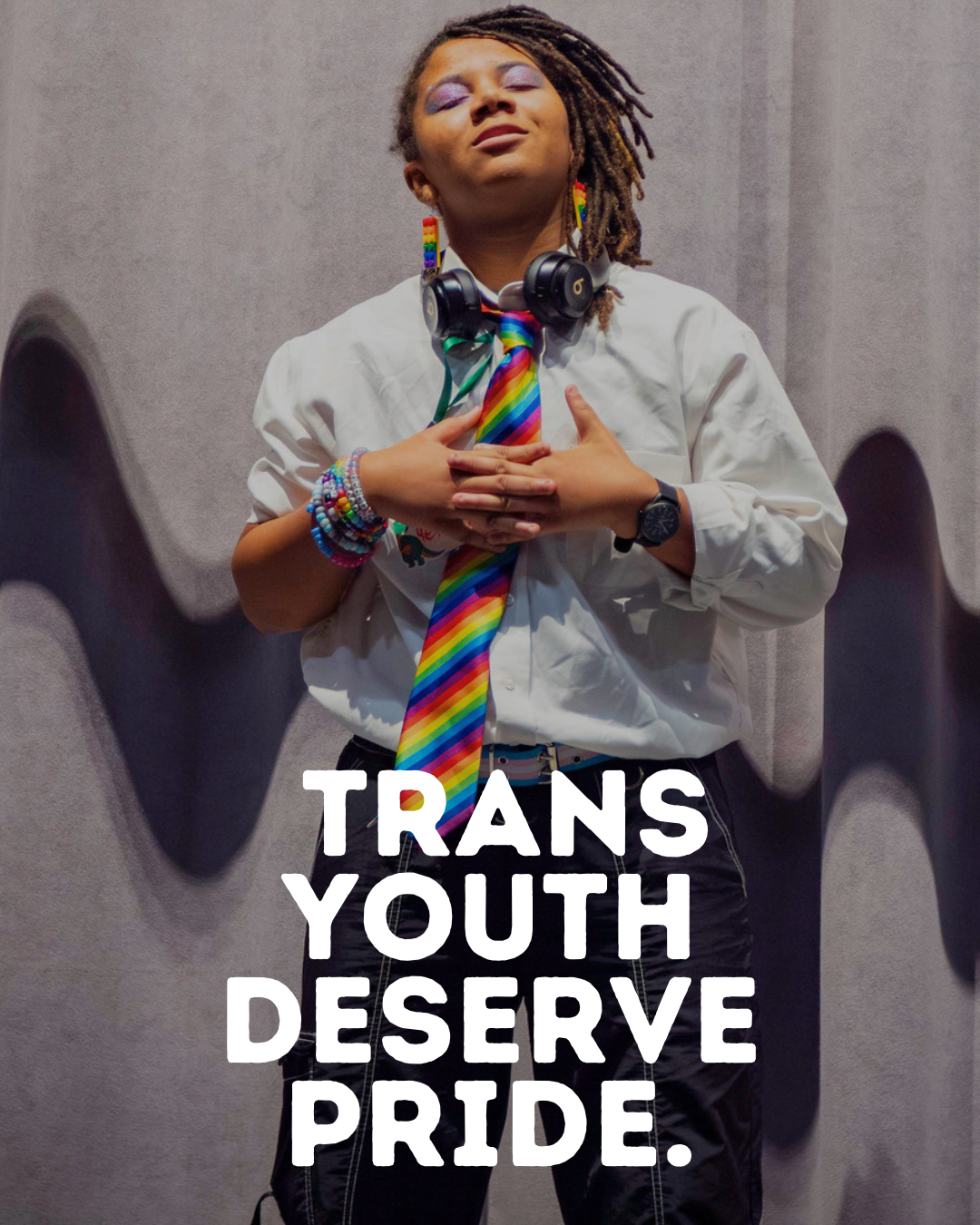
5. Give Trans and Nonbinary Youth Opportunities to Lead
Transgender and nonbinary youth have ideas, passions, and perspectives that deserve to be heard.
At Brave Trails, we believe young people aren't just the leaders of tomorrow. They're capable of making meaningful contributions to their communities today.
Through our leadership workshops and Passion to Action programming, campers explore issues they care about, develop skills, and discover ways to turn their ideas into action.
That might mean learning about LGBTQ+ history, practicing public speaking, exploring environmental advocacy, or working with peers to make their communities more inclusive.
Just as importantly, we encourage campers to discover their own leadership styles. Not everyone wants to stand in front of a crowd, and that's okay.
For adults, supporting youth leadership means inviting young people into decisions that affect them, taking their feedback seriously, and giving them opportunities to follow through on their ideas.
Trans and nonbinary youth deserve more than a seat at the table. They deserve opportunities to help shape the communities they're part of.
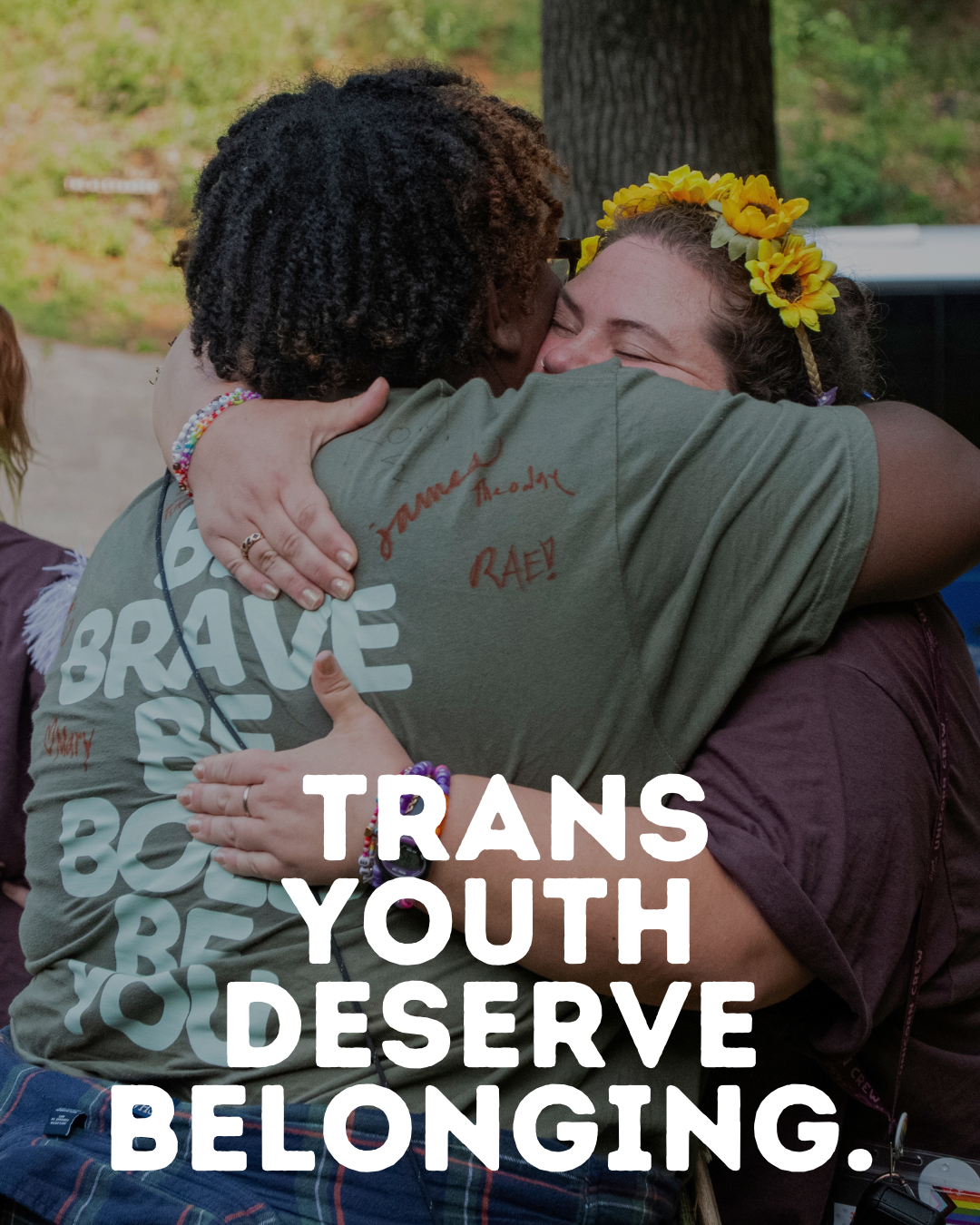
The Impact of Belonging
At Brave Trails, we've seen how meaningful it can be when LGBTQ+ young people find a community that celebrates them.
Our 2025 research, conducted by Washington State University, found that campers experienced significant increases in social support, social connectedness, and self-esteem during camp. Researchers also observed improvements in mental well-being, including decreases in depressive symptoms and anxiety.
98% of campers surveyed said they were glad Brave Trails was part of their summer.
These findings reflect something we see in the friendships, conversations, and everyday moments that make up camp.
When young people have opportunities to connect with affirming peers, build relationships with supportive adults, and explore their interests, they have more room to grow.
Of course, nine days at camp can't solve every challenge LGBTQ+ youth face. That's why we believe the work of building affirming communities must continue long after summer ends.
The goal isn't just to create a place where young people feel they belong for nine days. It's to help them carry that sense of belonging into the rest of their lives.
Find Your People at Brave Trails
Brave Trails welcomes LGBTQ+ youth ages 12–17 for nine-day overnight leadership summer camp experiences in California, Georgia, and Pennsylvania.
Through outdoor adventures, creative expression, LGBTQ+ education, mentorship, and meaningful friendships, campers have opportunities to connect with their people, place, and passion.
Applications are now open, and financial aid is available.