The Flags We Raise at Camp
Daily Flag Raising at Camp Brave Trails
Did you know there are more than 30 identity flags representing the many intersections of the LGBTQ+ community?
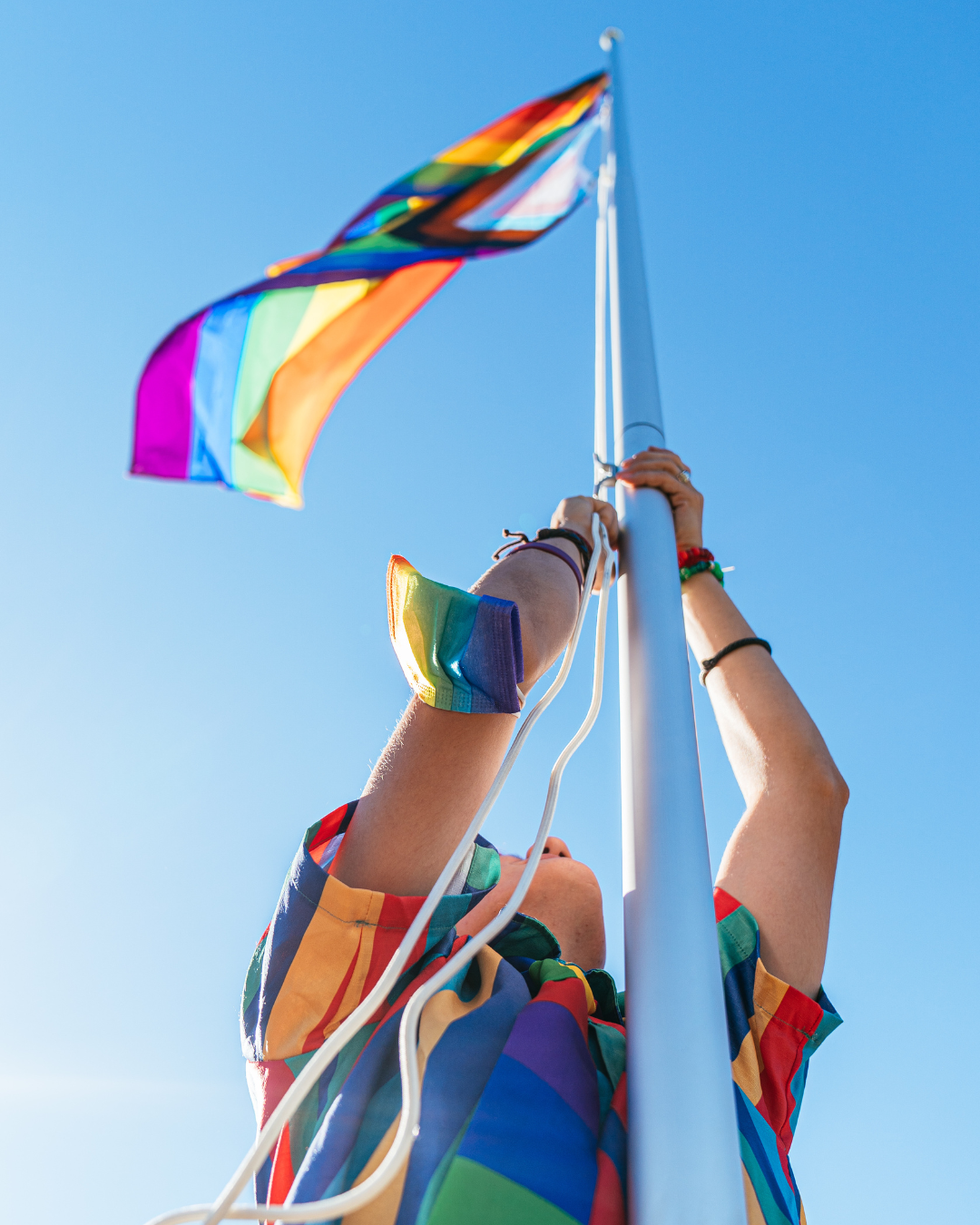
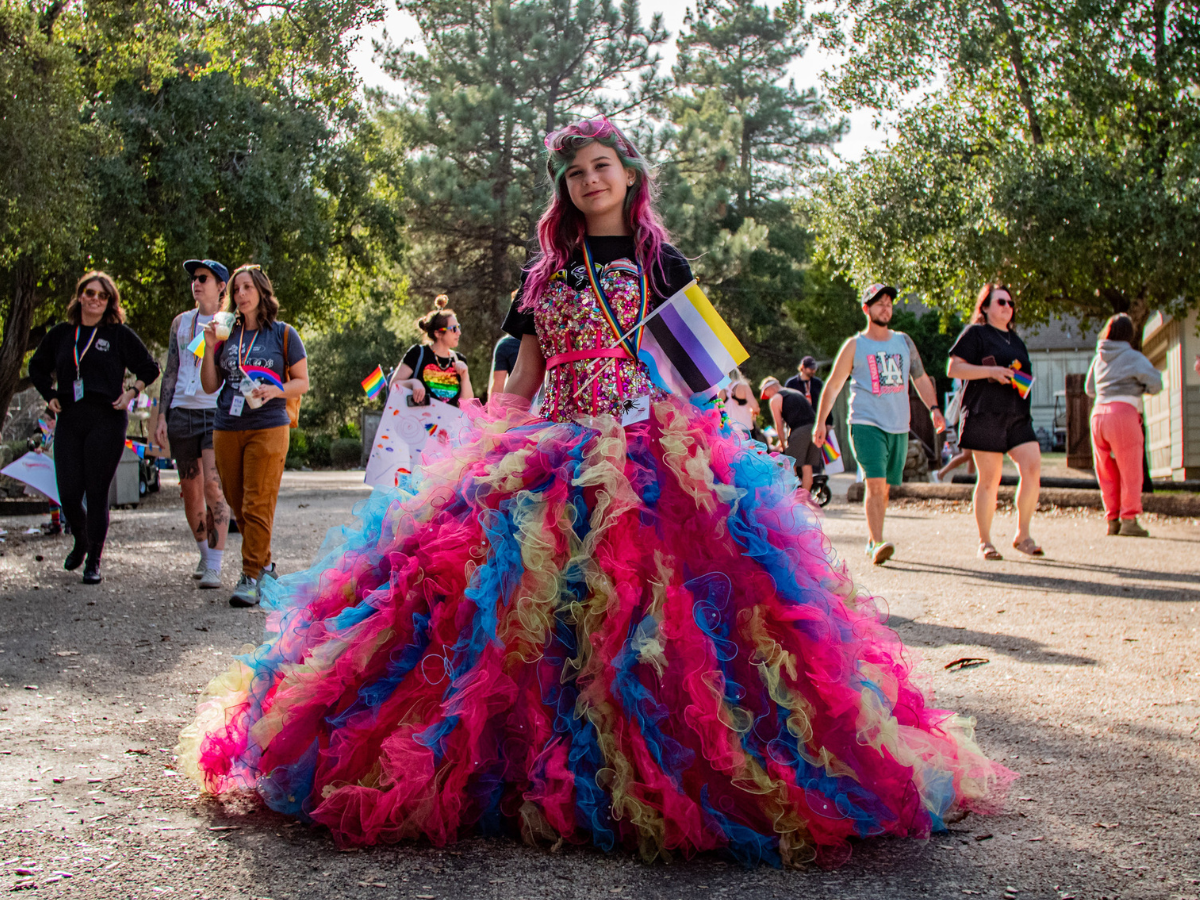
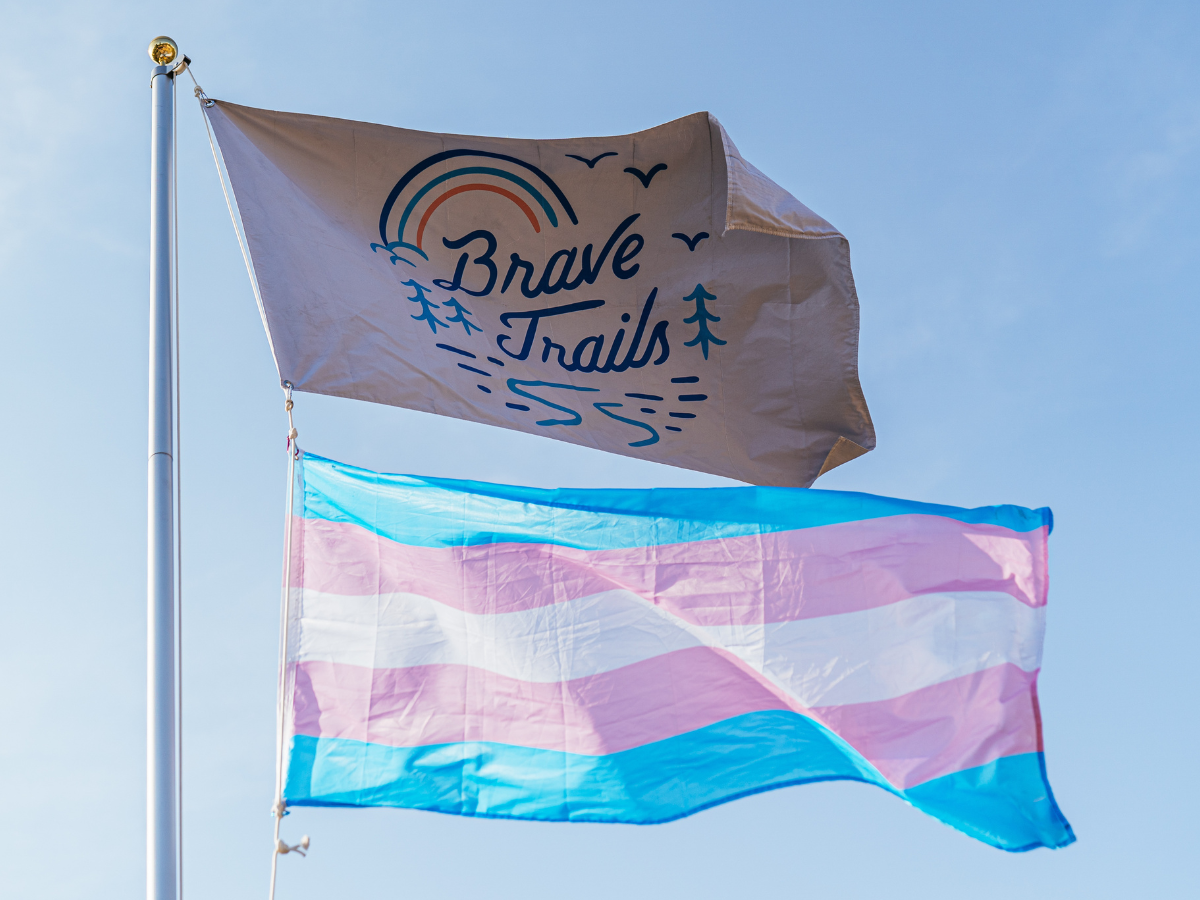
One of the ways we celebrate Pride at Camp Brave Trails is through our daily flag raising ceremony. Each morning, we raise two Pride flags representing different identities within our community. Campers learn about the history of each flag, the meaning behind the colors, and the people and experiences they represent.
After the flags are raised, campers and staff who connect with those identities are invited to share what the flags mean to them personally. Sometimes those conversations are joyful. Sometimes emotional. Sometimes they help someone hear their own experience reflected back for the very first time.
These moments remind campers that they are part of a larger LGBTQ+ community filled with history, resilience, creativity, and pride.
Below are some of the flags we raise throughout the week at camp.
Gilbert Baker Pride Flag
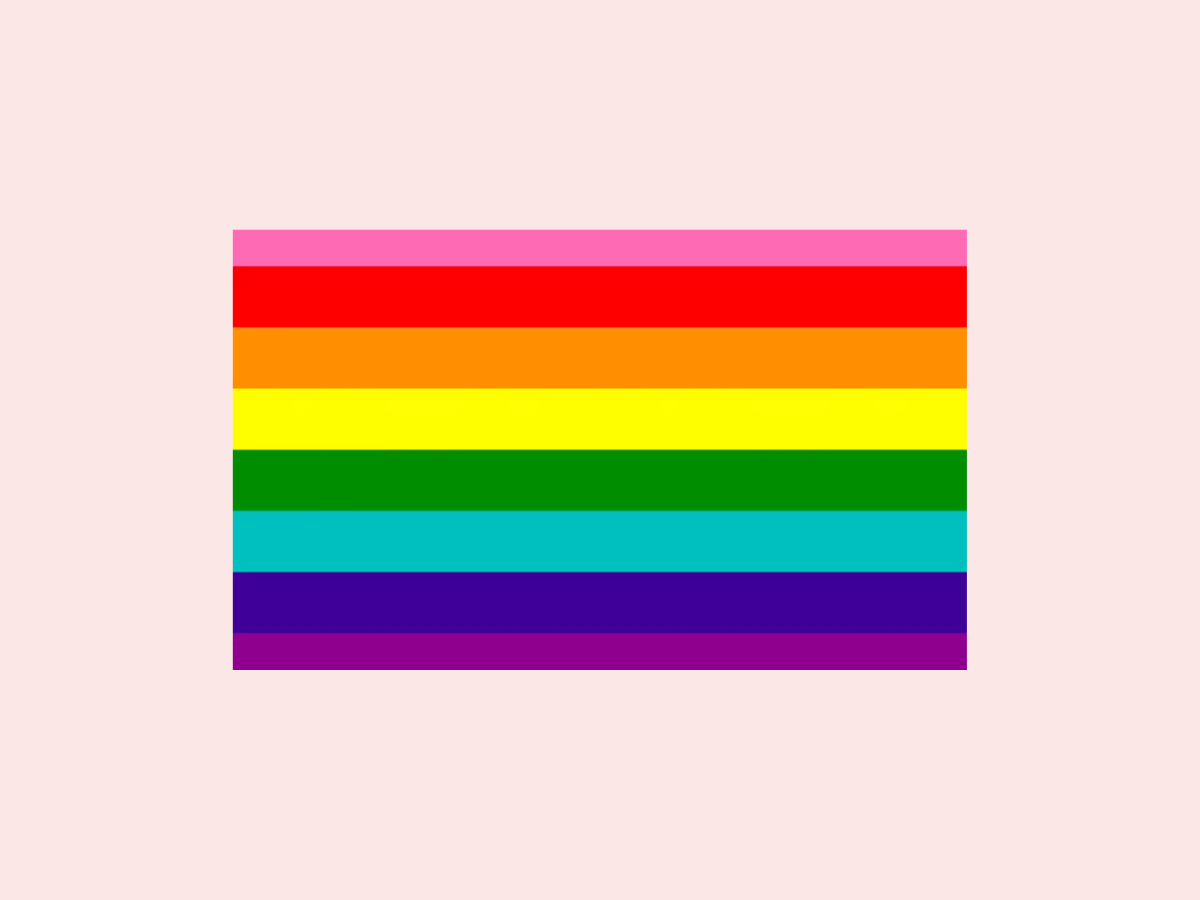
The original rainbow Pride Flag was designed in 1978 by artist and activist Gilbert Baker after being encouraged by Harvey Milk and other LGBTQ+ activists to create a symbol for the community.
The original version had eight stripes. Hot pink represented sex and turquoise represented magic and art. Over time, those colors were removed due to manufacturing limitations, leaving the six stripe version many people recognize today.
Each remaining stripe carries meaning:
Red represents life.
Orange represents healing.
Yellow represents sunlight.
Green represents nature.
Blue represents serenity.
Purple represents spirit.
Baker described the rainbow as a reflection of humanity’s diversity and believed the flag belonged to everyone.
Progress Pride Flag
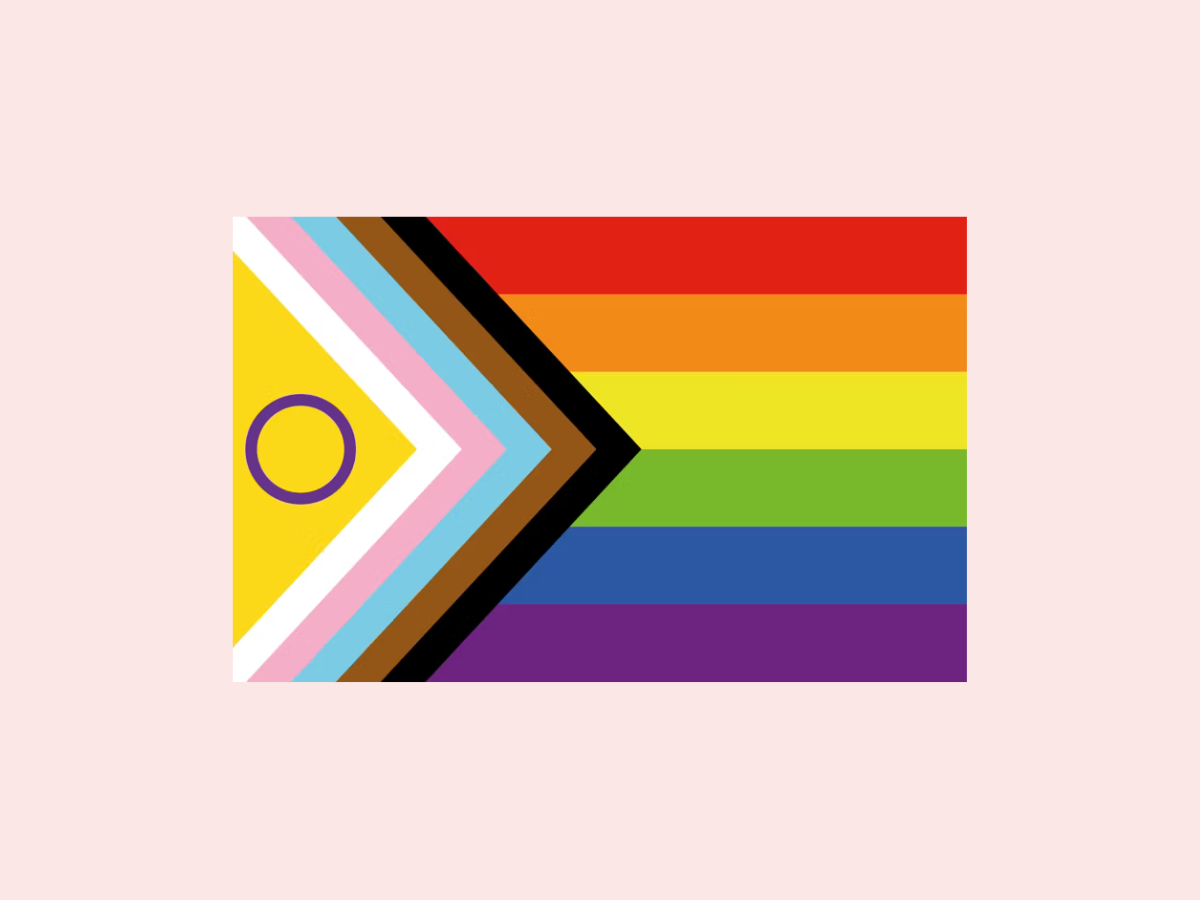
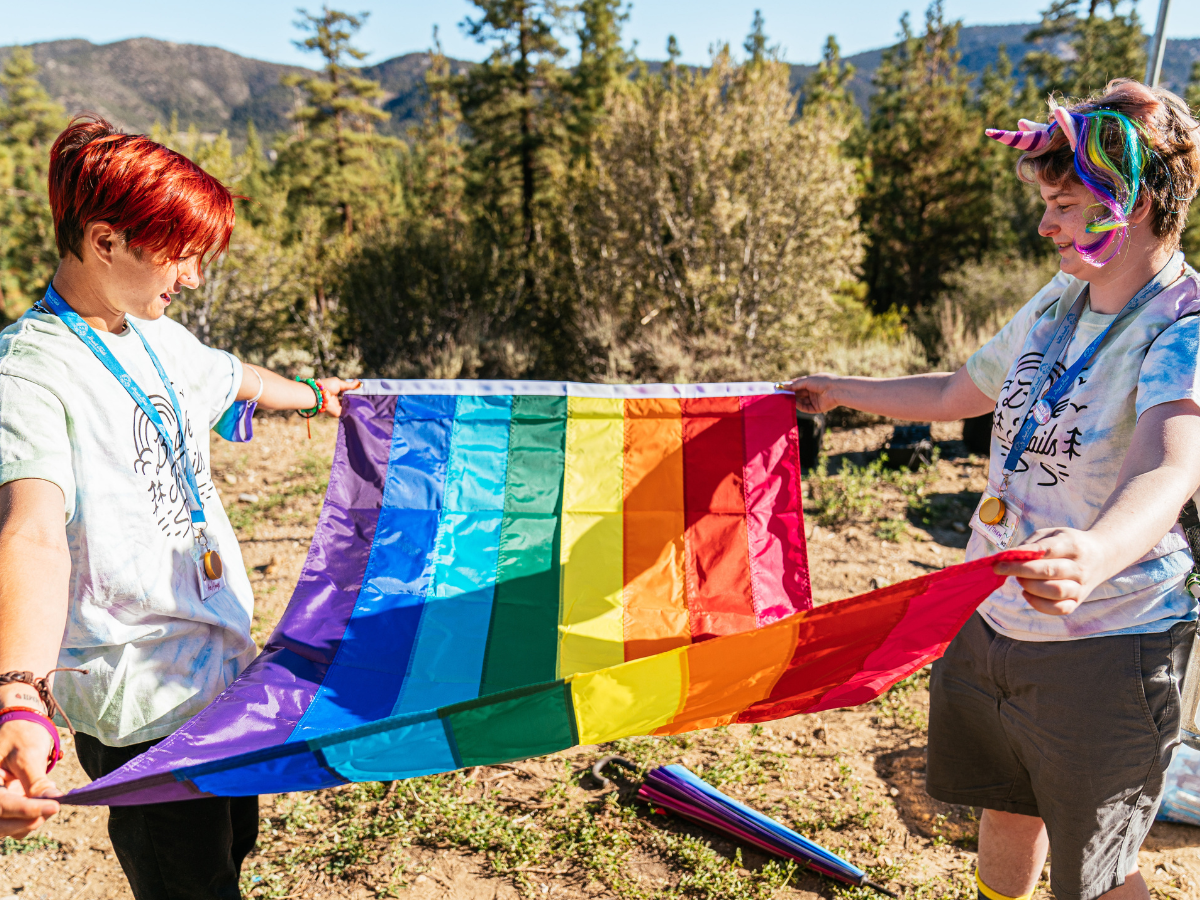
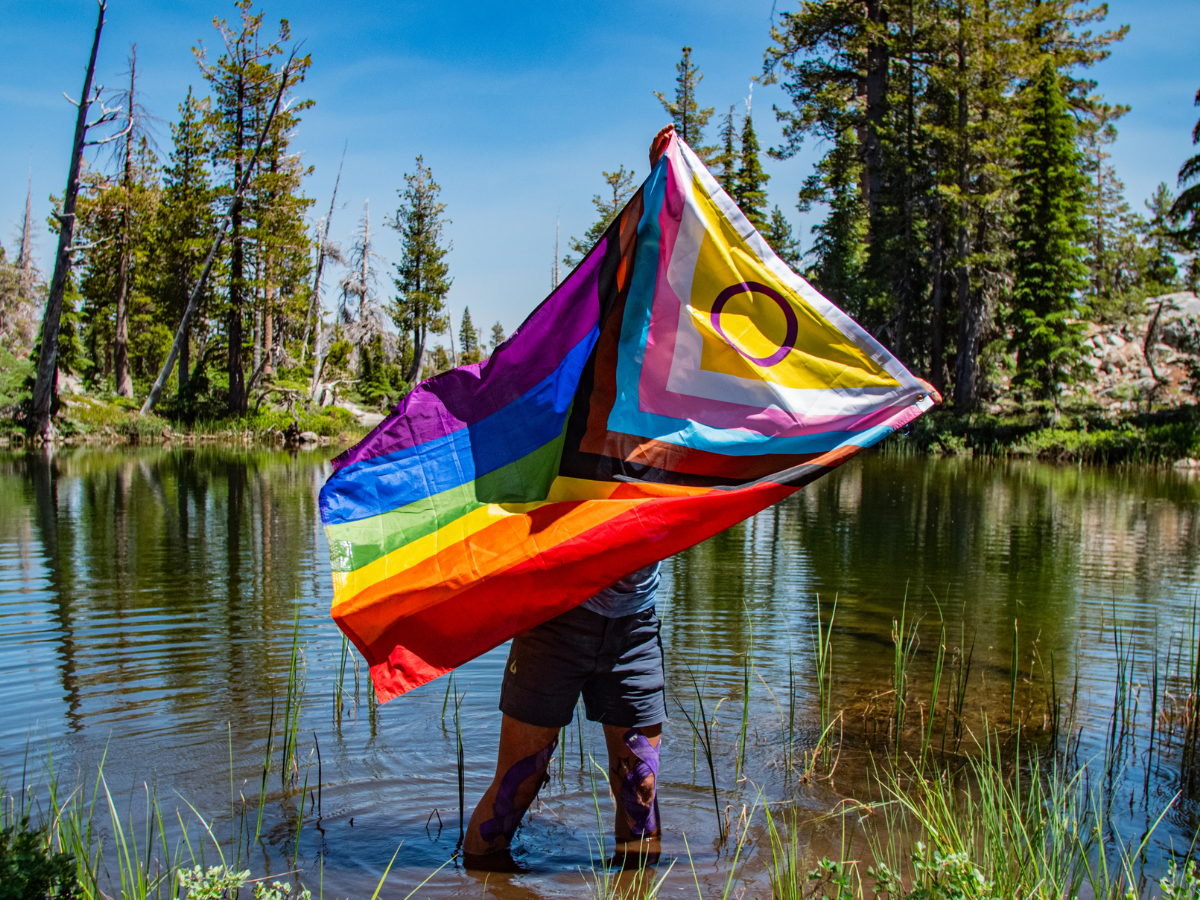
The Progress Pride Flag was designed in 2018 by graphic designer Daniel Quasar. It builds on Gilbert Baker’s original rainbow Pride flag by adding a chevron shape to emphasize inclusion and forward movement.
The black and brown stripes represent LGBTQ+ communities of color and those impacted by HIV/AIDS. The pink, light blue, and white stripes come from the Transgender Pride Flag and represent trans and nonbinary communities.
The flag was created to highlight communities within the LGBTQ+ movement that have historically been marginalized and to remind us that Pride continues to evolve.
Genderqueer Pride Flag
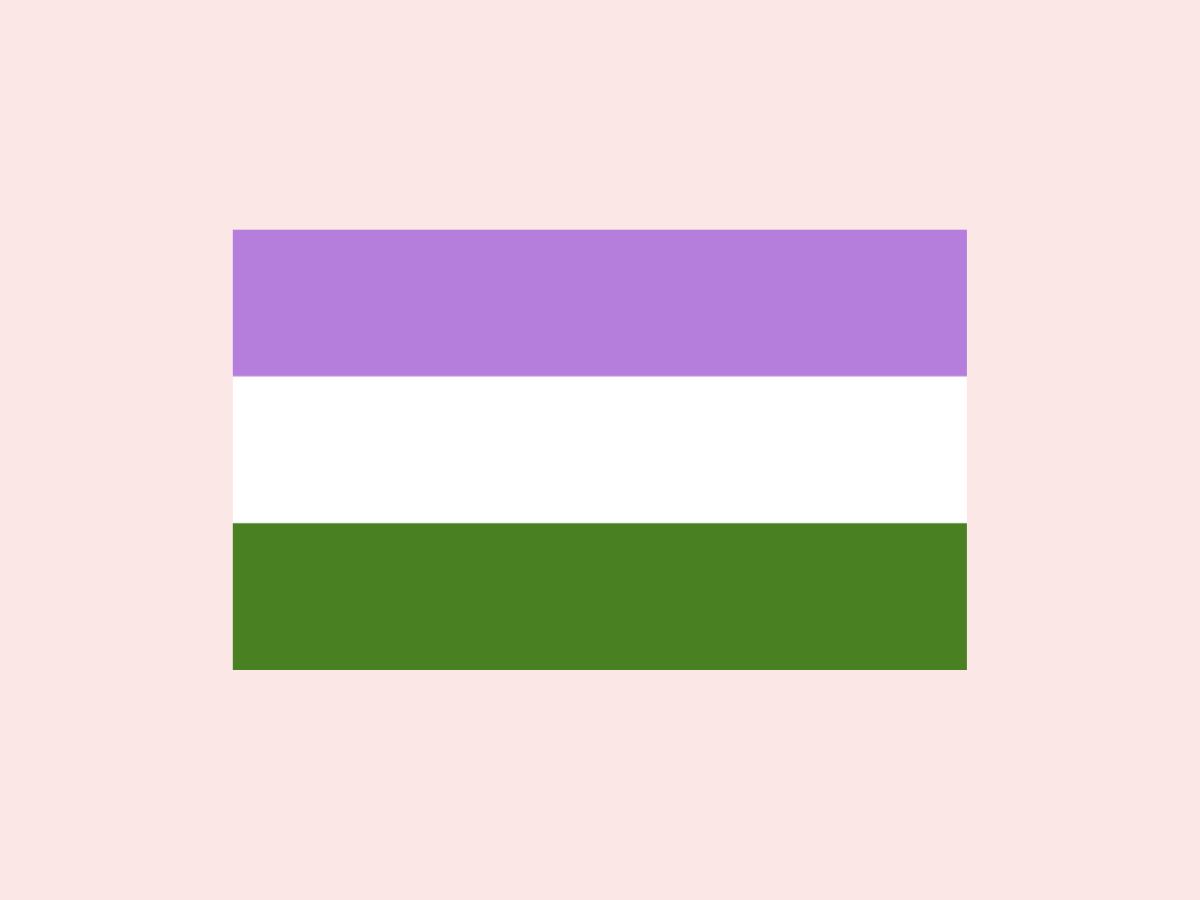
The Genderqueer Pride Flag was designed in 2011 by writer and advocate Marilyn Roxie.
The lavender stripe represents androgyny and queer identities. Lavender combines colors traditionally associated with masculinity and femininity. The white stripe represents agender and gender neutral identities. The chartreuse stripe represents identities outside the gender binary and third gender identities.
The flag was created to give visibility to people whose gender exists beyond traditional binary ideas of male and female.
Nonbinary Pride Flag
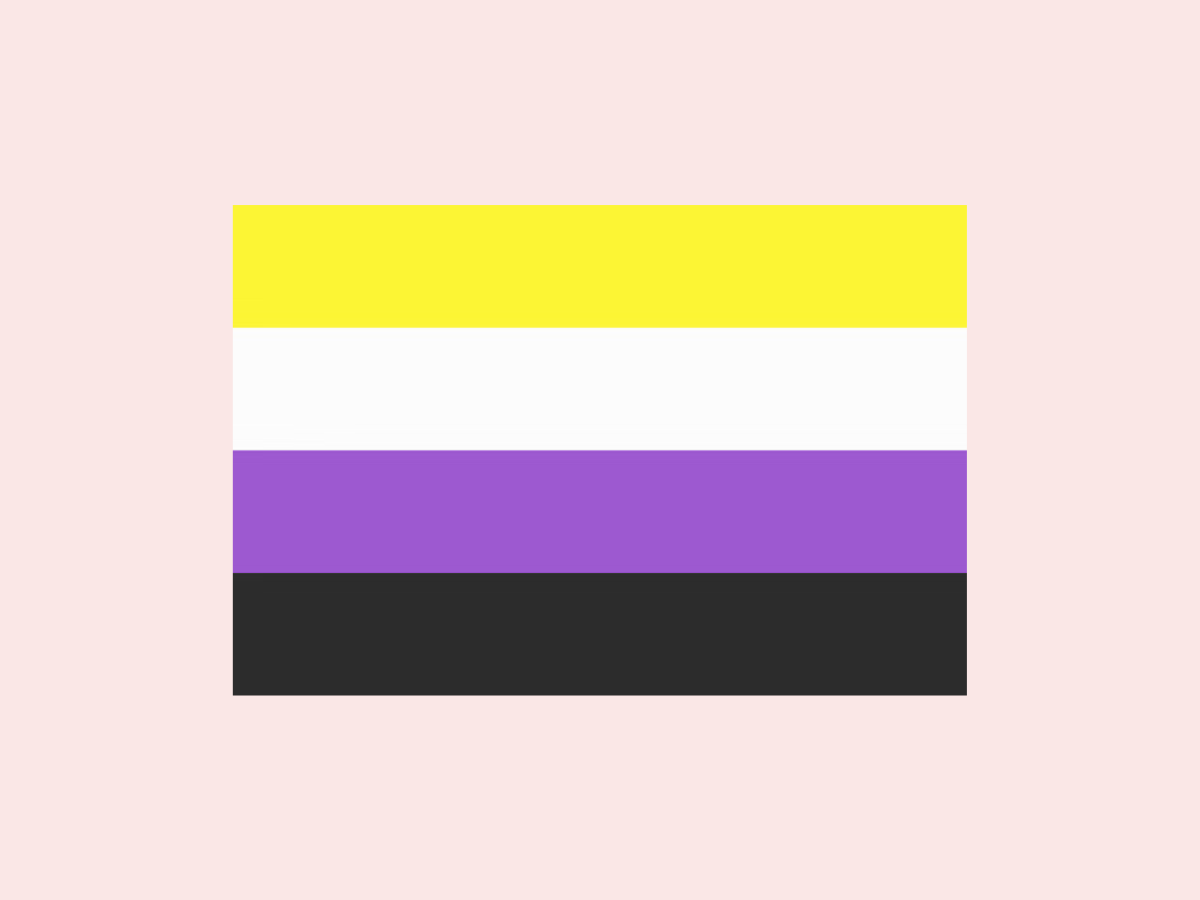
The Nonbinary Pride Flag was designed in 2014 by Kye Rowan when they were just 17 years old.
The yellow stripe represents people whose gender exists outside the binary. The white stripe represents people with many genders or all genders. The purple stripe represents people who experience a mix of masculinity and femininity. The black stripe represents people who identify with no gender.
The flag was created to exist alongside the Genderqueer Pride Flag and offer additional representation for nonbinary people.
Transgender Pride Flag
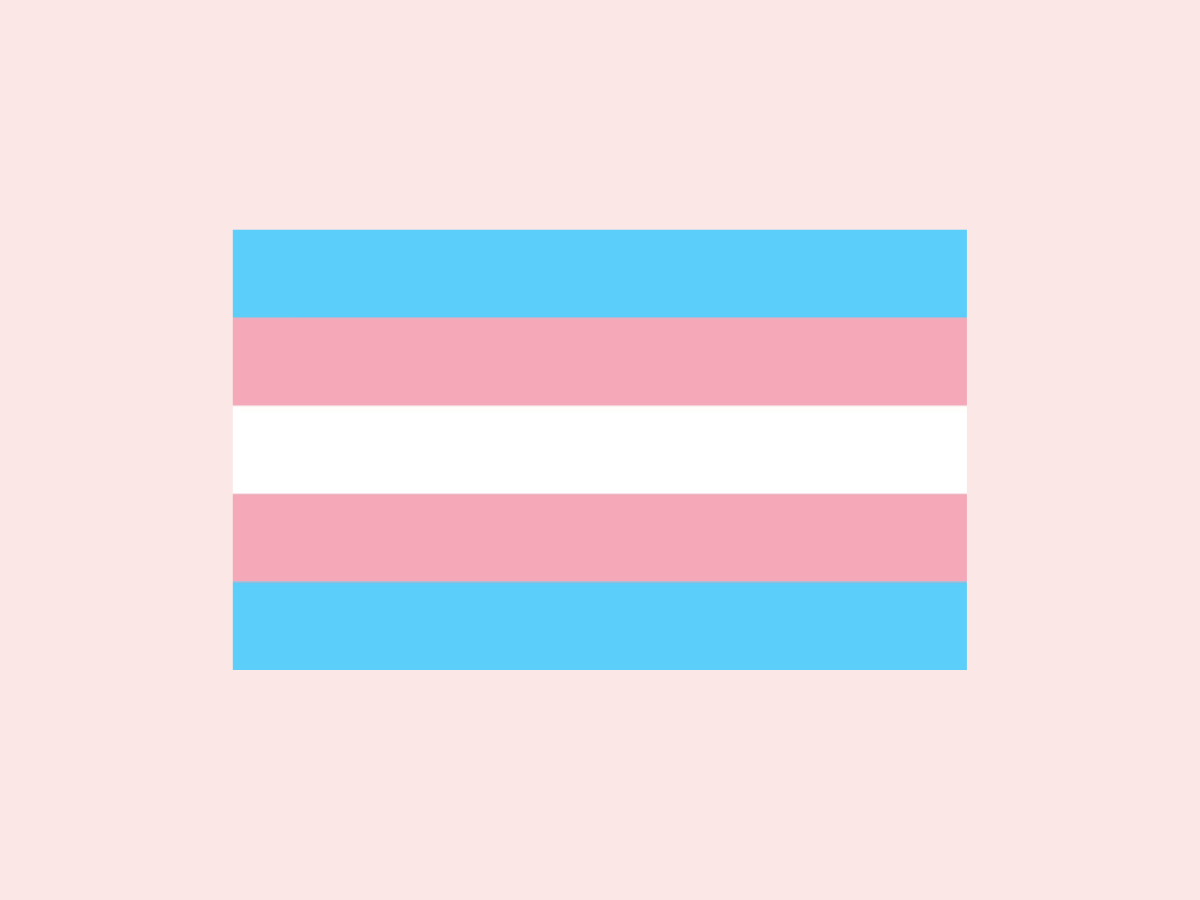
The Transgender Pride Flag was designed in 1999 by Monica Helms, an openly transgender American activist.
The light blue and pink stripes reflect colors traditionally associated with baby boys and girls. The white stripe represents people who are transitioning, intersex, nonbinary, or exploring their gender identity.
Helms intentionally designed the flag to be symmetrical so that no matter how it flies, it is always correct. The design represents finding authenticity and truth within yourself.
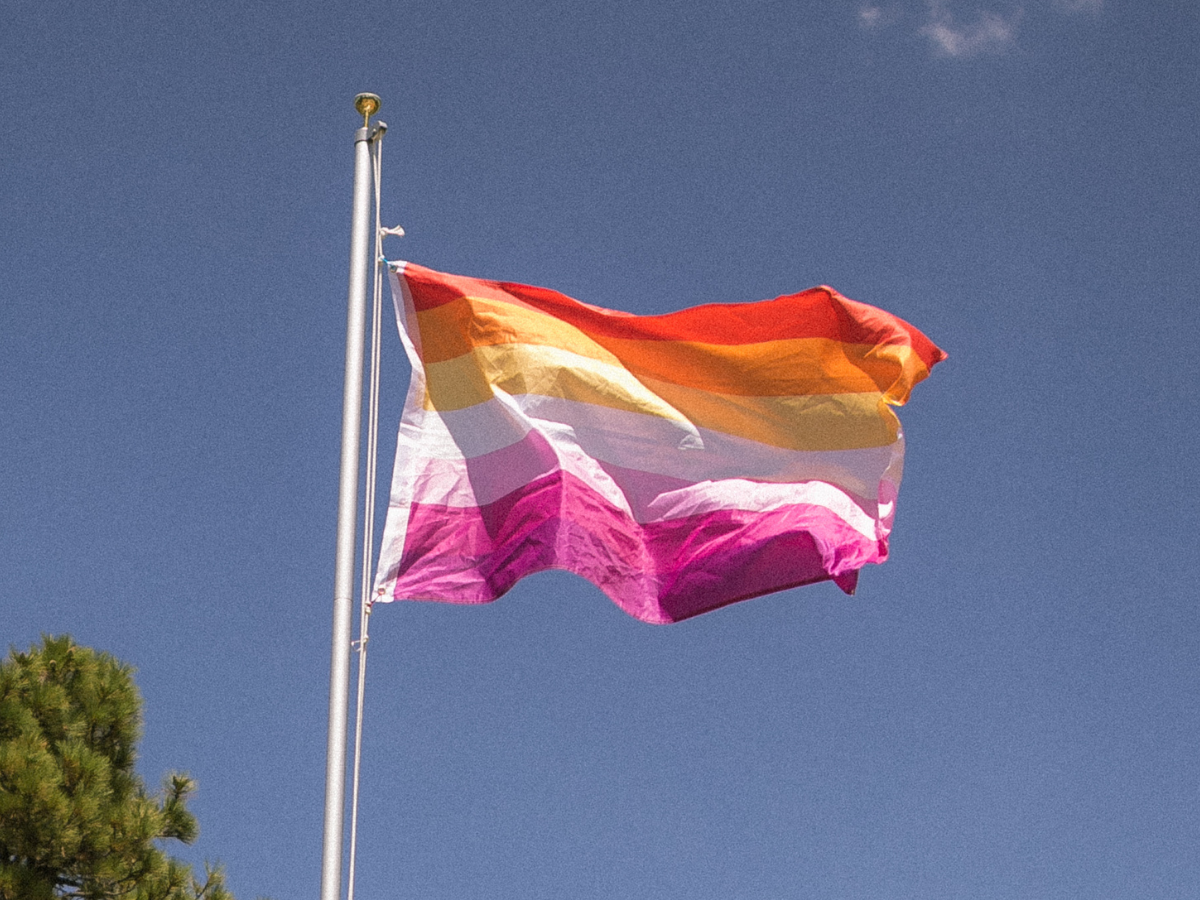
Lesbian Pride Flag
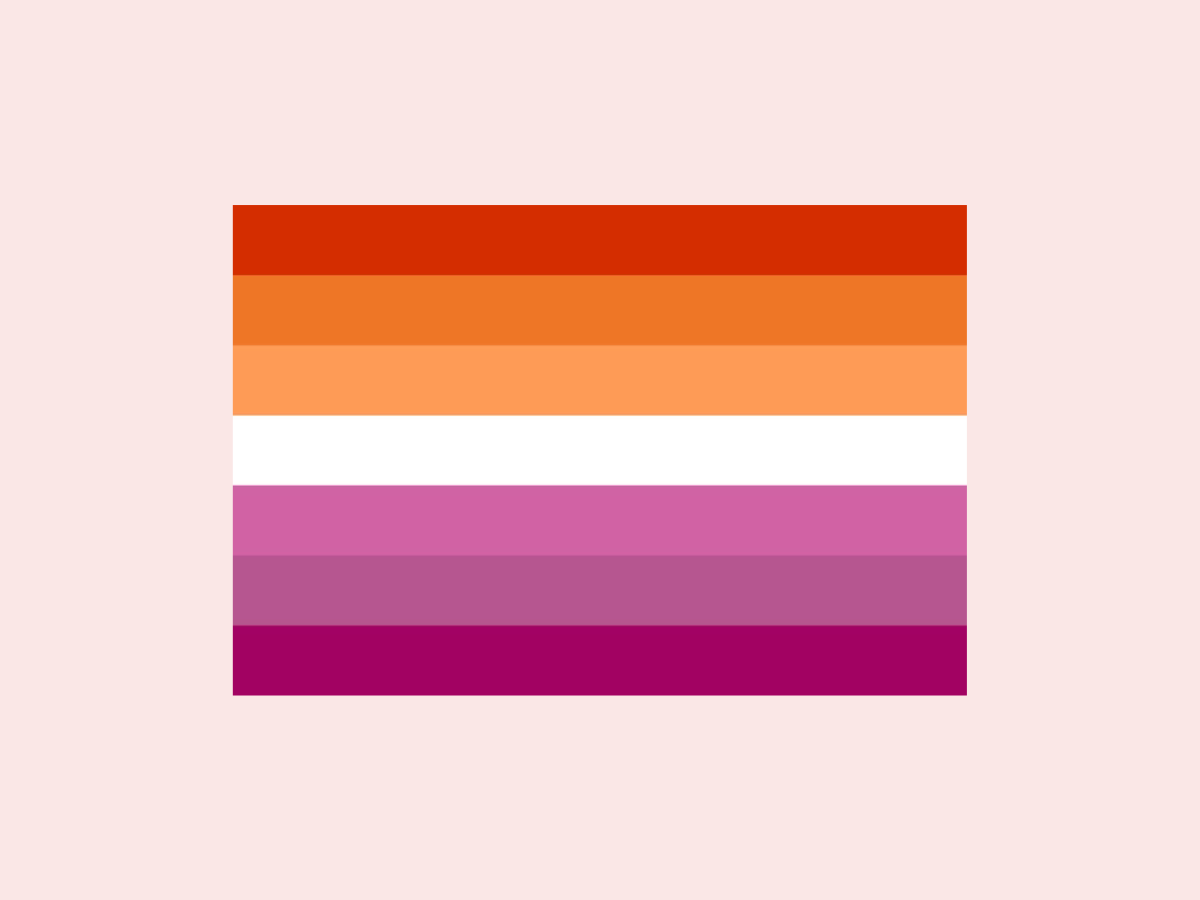
The most commonly used version of the Lesbian Pride Flag today was designed in 2018 by Emily Gwen Morris.
The dark orange stripe represents gender nonconformity. The orange stripe represents independence. The light orange stripe represents community. The white stripe represents unique relationships to womanhood and gender. The light pink stripe represents peace and serenity. The pink stripe represents love and sex. The dark pink stripe represents femininity.
There are multiple lesbian pride flags used within the community, including the Labrys flag and Lipstick Lesbian flag. Different lesbians connect with different versions, which reflects the diversity within the community itself.
Gay Men’s Pride Flag
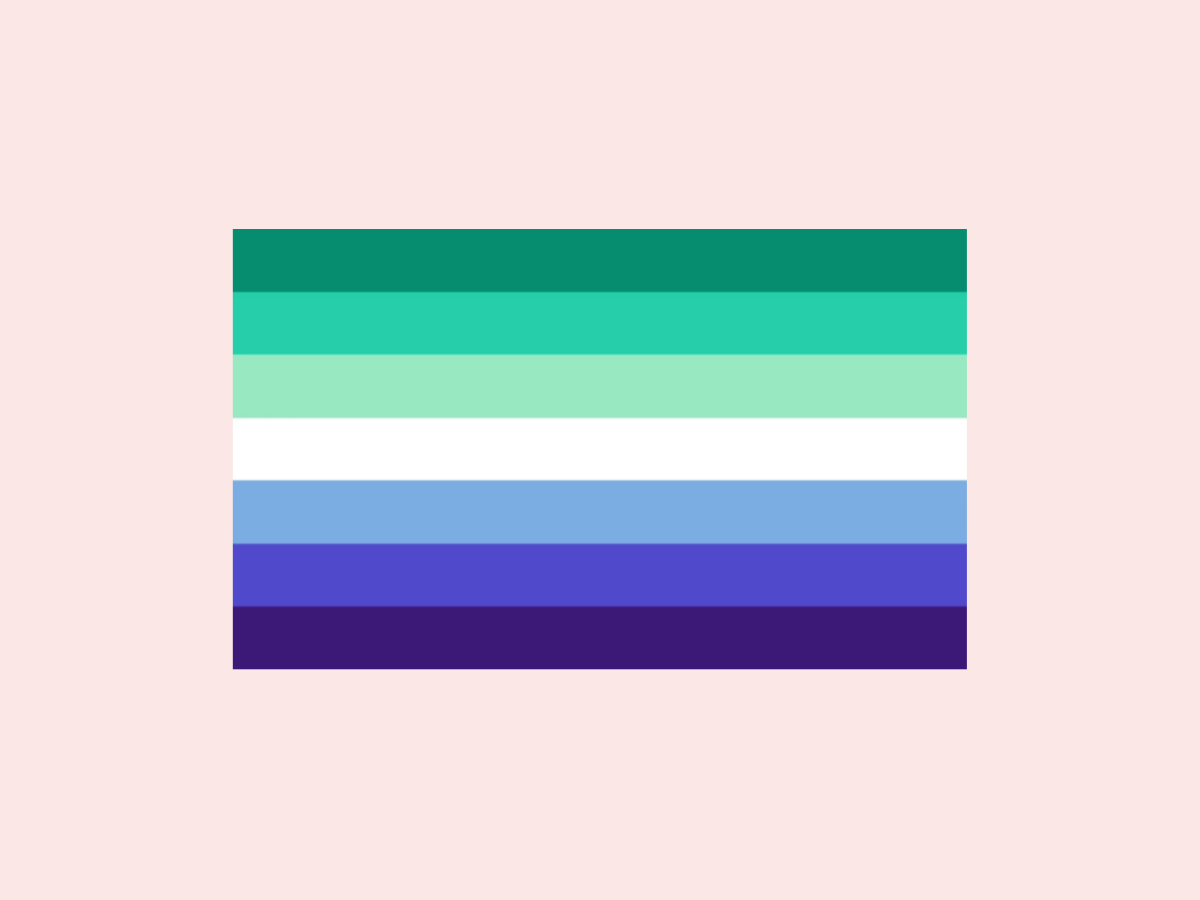
The Gay Men's Pride Flag was designed by Tumblr user @gayflagblog in 2019.
Dark green represents community. Green represents healing. Light green represents joy and celebration. White represents transgender, nonbinary, and gender nonconforming people within the community. Light blue represents love. Blue represents strength. Dark blue represents diversity.
The flag celebrates the experiences, history, and visibility of gay men and men-aligned people who are attracted to men.
Bisexual Pride Flag
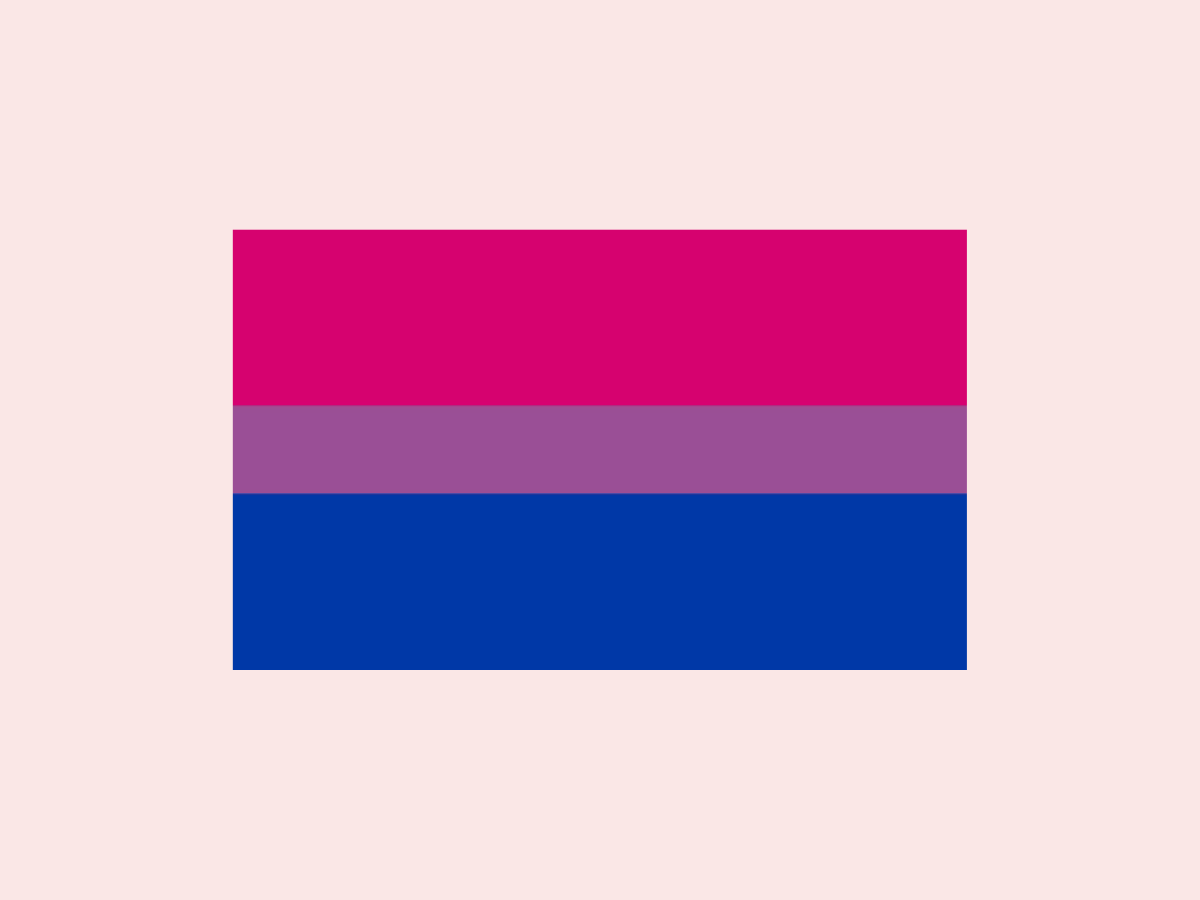
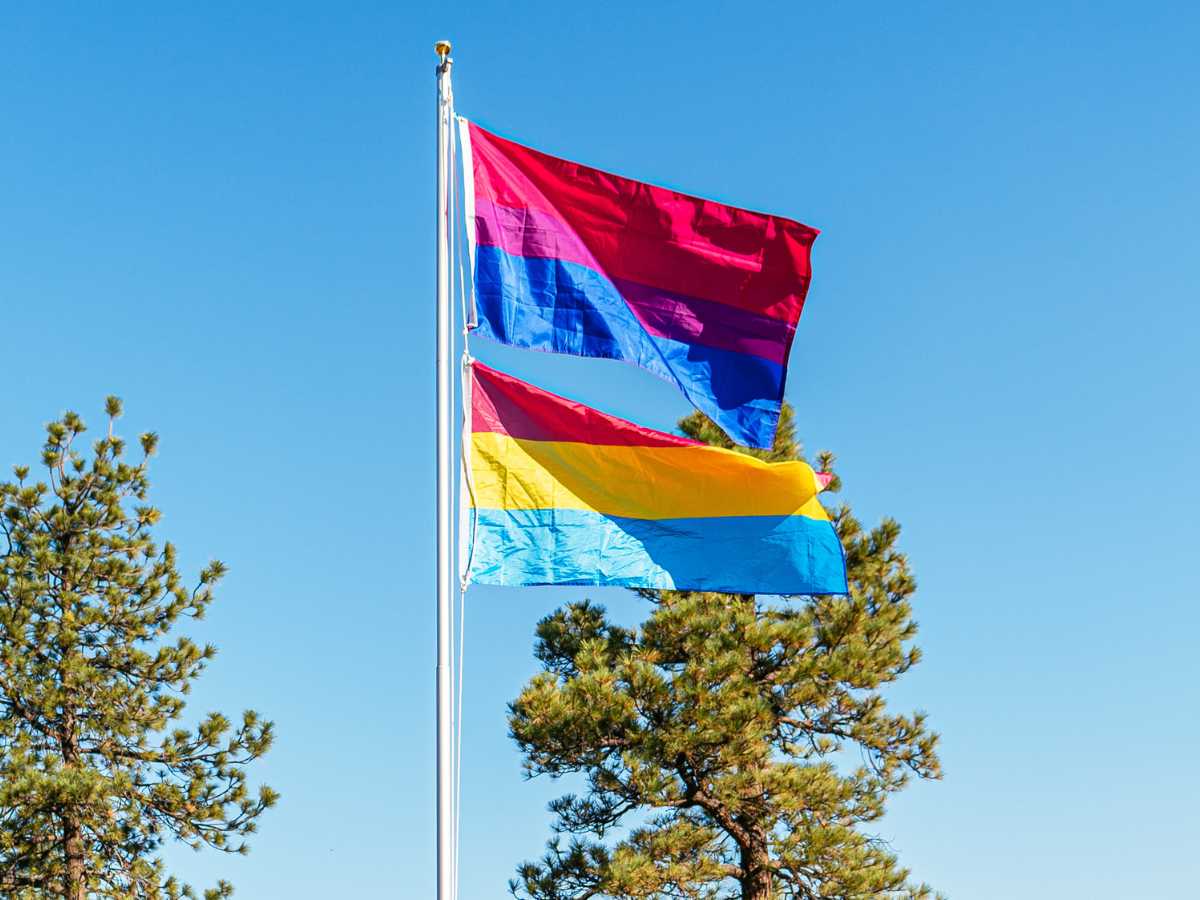
The Bisexual Pride Flag was designed by Michael Page in 1998.
The pink stripe represents attraction to the same gender. The blue stripe represents attraction to different genders. The purple stripe represents attraction across genders and the overlap between identities.
Over time, many people have embraced broader interpretations of the colors that include attraction beyond the gender binary.
Pansexual Pride Flag
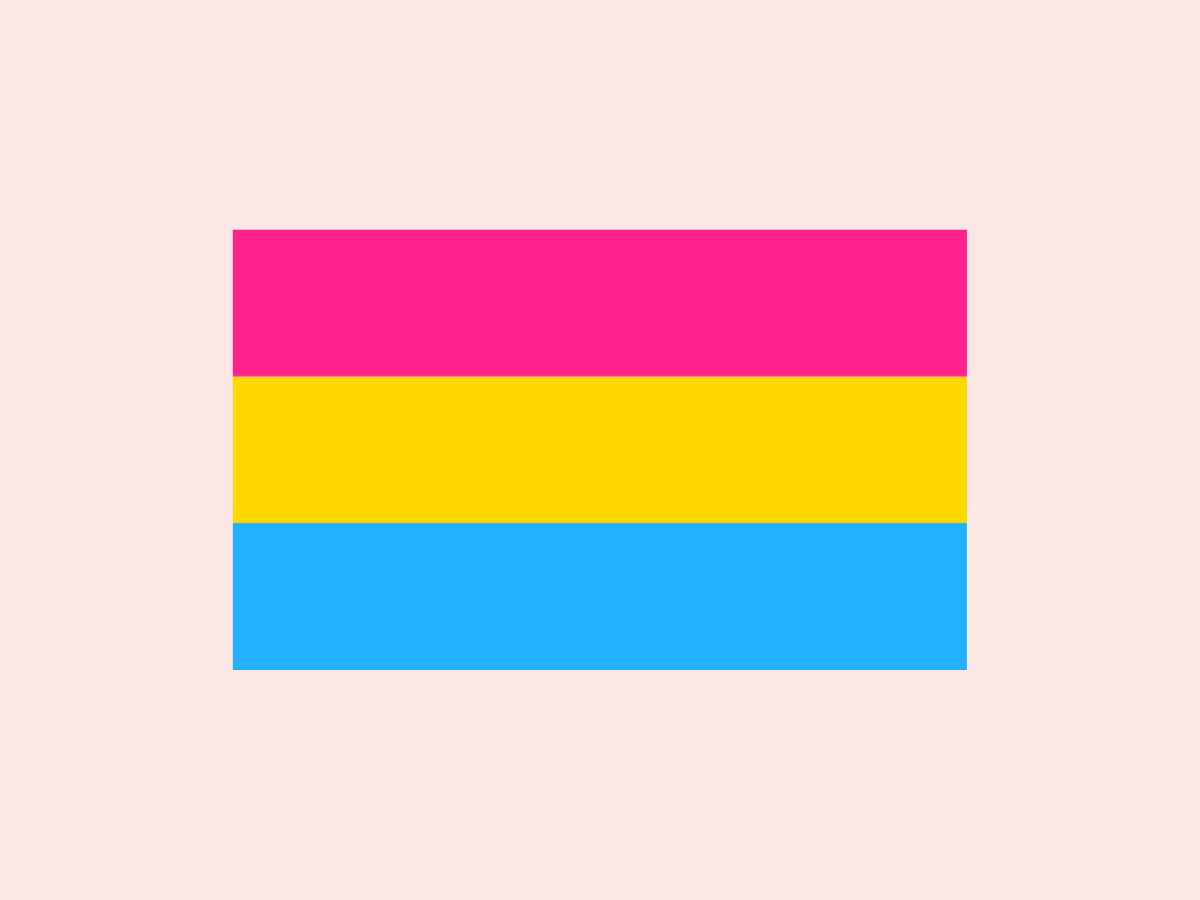
The Pansexual Pride Flag was created to increase visibility for the pansexual community and distinguish it from other multisexual identities.
The pink stripe represents attraction to women and femme aligned people. The blue stripe represents attraction to men and masculine aligned people. The yellow stripe represents attraction to nonbinary people and those outside the gender binary.
The flag reflects attraction regardless of gender identity.
Often at camp we fly the pansexual flag with the bisexual flag to honor both identities importance.
Asexual Pride Flag
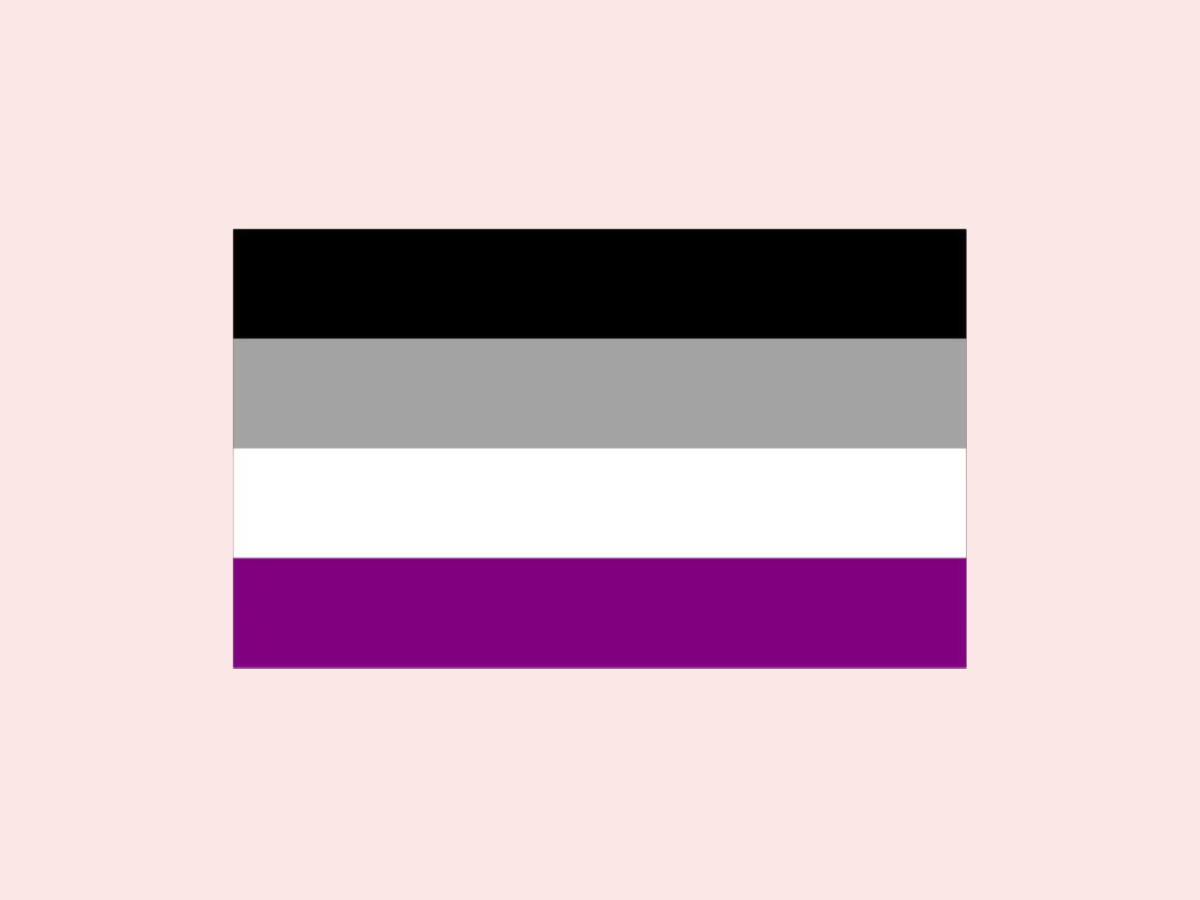
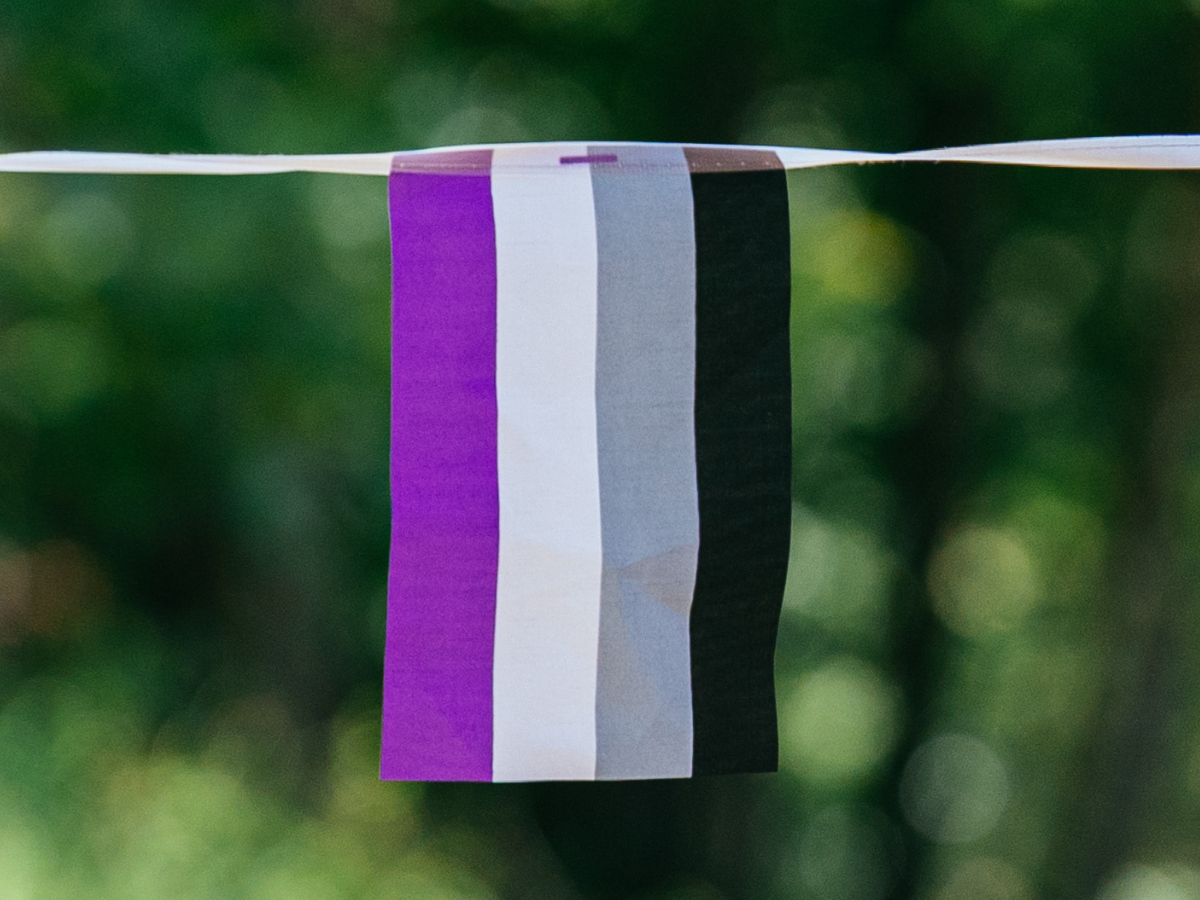
The Asexual Pride Flag was created in 2010 following collaboration within online asexual communities.
The black stripe represents asexuality. The gray stripe represents the gray area between sexual and asexual identities, including gray-asexuality and demisexuality. The white stripe represents sexuality more broadly. The purple stripe represents community.
The flag was created as a way for asexual people to build visibility and connection within the broader LGBTQ+ community.
Intersex Pride Flag
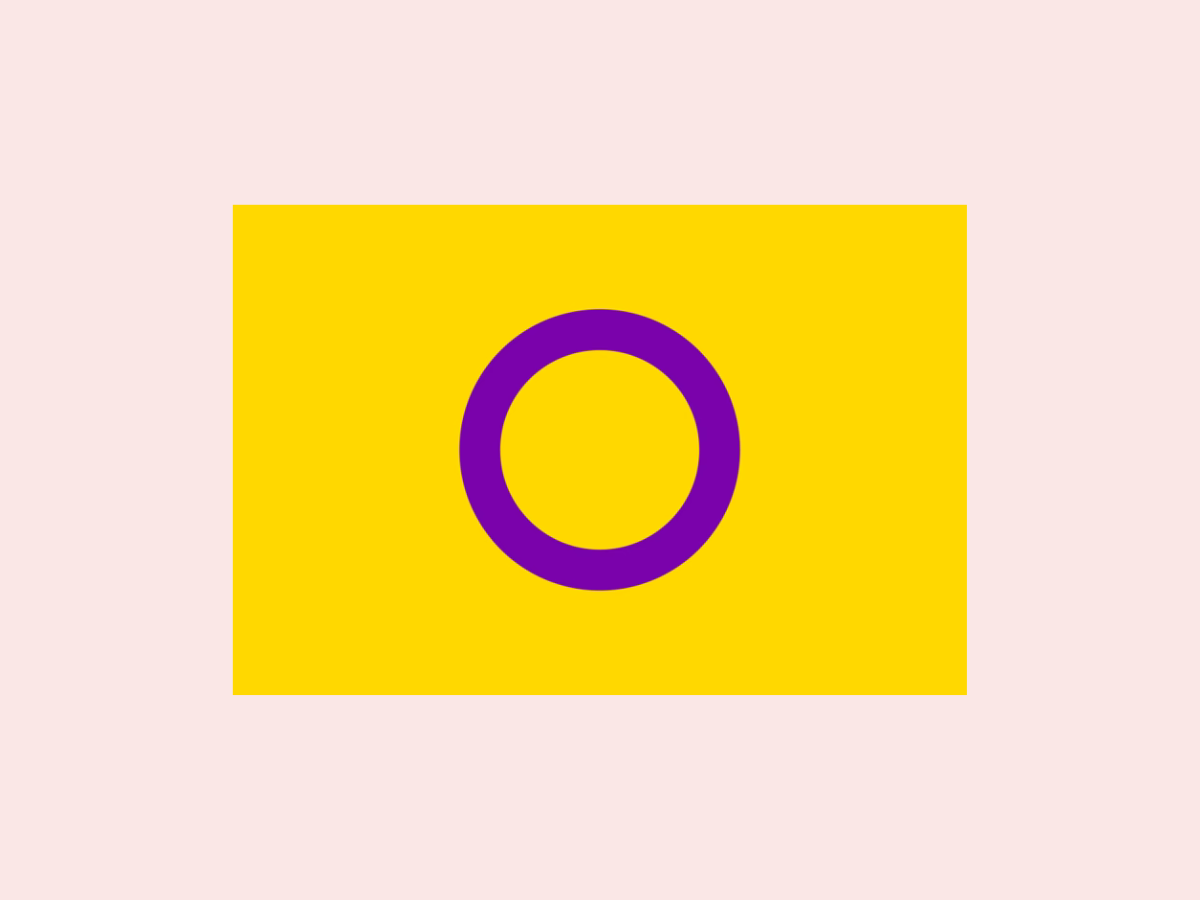
The Intersex Pride Flag was created in 2013 by Intersex Human Rights Australia, formerly known as OII Australia.
The yellow and purple colors were intentionally chosen because they are not traditionally associated with binary gender colors. The purple circle represents wholeness, completeness, and the right for intersex people to exist fully as themselves.
The flag is meant to affirm bodily autonomy and celebrate intersex identities.
Disability Pride Flag
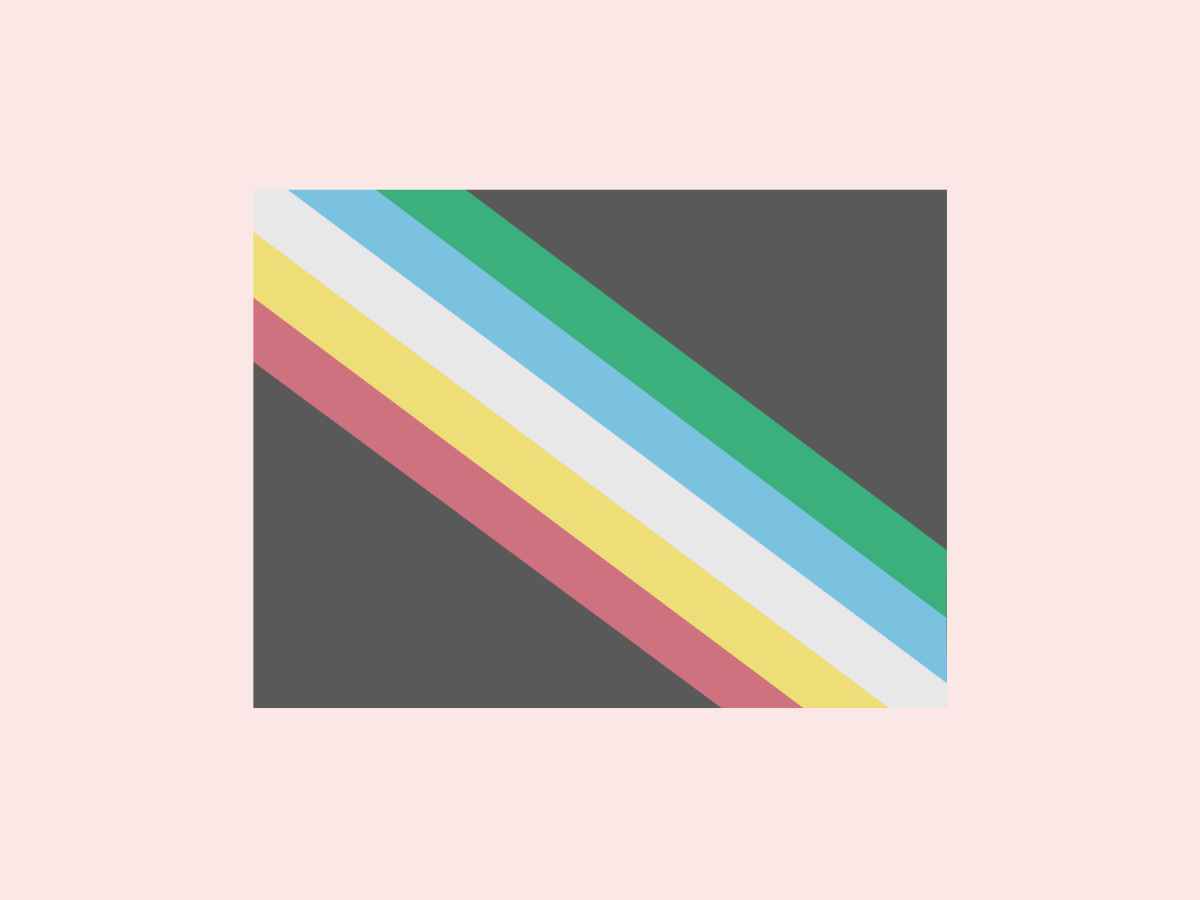
The Disability Pride Flag was originally designed in 2019 by writer Ann Magill, who has cerebral palsy.
The original version featured bright zigzagging stripes over a black background to represent the ways disabled people navigate barriers in everyday life. After community feedback from people with visually triggered disabilities, the design was updated with muted colors and straightened stripes to improve accessibility.
Red represents physical disabilities. Gold represents neurodiversity. White represents invisible and undiagnosed disabilities. Blue represents emotional and psychiatric disabilities. Green represents sensory disabilities.
The black background represents mourning and rage for victims of ableism and disability based violence. The diagonal stripe represents creativity and light cutting through barriers.
Why We Raise These Flags
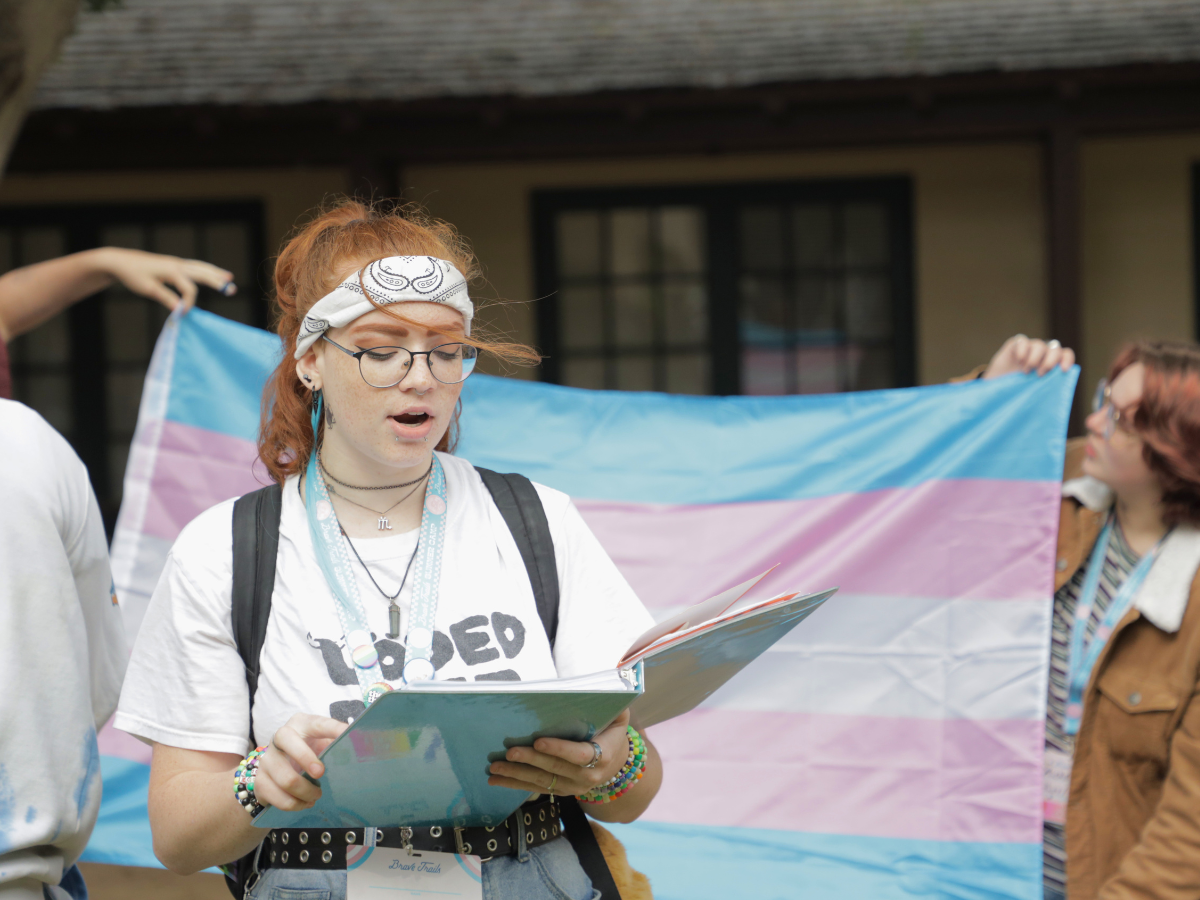
At camp, these flags become more than symbols hanging from a pole. They become conversation starters, reminders, and reflections of the people standing beside us.
For some campers, seeing their flag raised is the first time they’ve felt publicly recognized in a positive way. For others, it’s a chance to learn more about identities different from their own and build deeper understanding within the community.
Every flag tells a story. Every camper adds to it.